why is too much carbohydrates bad for you Carbs starchy diabetes vegetables fruit glucose carbohydrates myths sources forks busted evil insulin livekindly
Carbohydrates, often referred to as carbs, have been at the center of numerous diet debates. Some people believe that all carbs are evil and should be avoided at all costs, while others argue that carbohydrates are a crucial part of a healthy diet. So, what’s the truth? Let’s dig deeper into the world of carbs and separate fact from fiction!
Understanding Carbohydrates
Carbohydrates are one of the three macronutrients required by the body, along with proteins and fats. They are our primary source of energy, providing around 4 calories per gram. When consumed, carbohydrates are broken down into glucose, which is used by our cells for energy. They also play a vital role in brain function and physical performance.
Carbohydrates can be classified into three main types: sugars, starches, and fiber. Sugars are simple carbohydrates found naturally in fruits, vegetables, and dairy products, as well as added sugars in processed foods. Starches, on the other hand, are complex carbohydrates found in grains, legumes, and root vegetables. Lastly, fiber is a type of carbohydrate that cannot be digested by our bodies but is essential for proper digestion and gut health.
The Good Carbs vs. Bad Carbs Myth
One common misconception is that all carbs are bad. However, this oversimplification fails to acknowledge the crucial role that carbohydrates play in a well-balanced diet. The key is to distinguish between “good” and “bad” carbs based on their nutritional value and impact on blood sugar levels.
Refined carbohydrates, such as white bread, sugary drinks, and pastries, are considered “bad” carbs. These foods have been heavily processed, resulting in the removal of beneficial nutrients and fibers. When consumed, they cause a rapid spike in blood sugar levels, followed by a crash, leaving you feeling tired and hungry. Additionally, a diet high in refined carbs has been linked to an increased risk of obesity, diabetes, and heart disease.
“Good” carbs, on the other hand, include whole grains, fruits, vegetables, and legumes. These foods are rich in essential nutrients, fiber, and antioxidants. They take longer to digest, providing a steady release of energy and helping you stay fuller for longer. Incorporating more of these nutrient-dense carbs into your diet can have numerous health benefits, including improved digestion, better weight management, and reduced risk of chronic diseases.
The Importance of Balance
When it comes to carbohydrates, balance is key. Eliminating all carbs from your diet is not only unrealistic but also unhealthy. Your body needs carbohydrates to function optimally, especially if you engage in physical exercise or have an active lifestyle.
The key to a healthy diet lies in choosing the right sources and quantities of carbohydrates. Opt for whole grains like quinoa, brown rice, and oats, which are unprocessed and retain their beneficial nutrients. Fill your plate with a variety of colorful fruits and vegetables, as they offer a wide range of vitamins, minerals, and antioxidants.
Furthermore, it’s important to be mindful of portion sizes. Overconsumption of carbs, even the good ones, can lead to weight gain since the body stores excess glucose as fat. As a general guideline, aim to fill about a quarter of your plate with carbs, complemented by adequate amounts of protein, healthy fats, and vegetables.
 All Carbs Are Evil…Not! - Repke Fitness
Understanding the different types of carbohydrates and their impact on your body can help you make more informed decisions about your diet. Remember, not all carbs are evil! It is the quality and quantity you consume that truly matters.
 Carbohydrates – A Healthy Help
Embracing a balanced approach to carbohydrates by choosing whole grains, fruits, and vegetables can help fuel your body with the necessary energy for optimal performance, brain function, and overall wellbeing. So, next time you hear someone demonizing all carbs, you can confidently educate them about the importance of balanced nutrition!
In conclusion, let’s bid farewell to the notion that all carbs are evil. Instead, let’s focus on incorporating the right types of carbohydrates in our diets while maintaining a balanced lifestyle. Remember, moderation and mindful choices are the keys to a healthy relationship with carbs!
If you are looking for Link Between Disease and Nutrition: Fats, Protein, Carbohydrates, and you’ve visit to the right place. We have 5 Images about Link Between Disease and Nutrition: Fats, Protein, Carbohydrates, and like The Importance of Complex Carbohydrates - Top.me, Link Between Disease and Nutrition: Fats, Protein, Carbohydrates, and and also The Importance of Complex Carbohydrates - Top.me. Read more:
Link Between Disease And Nutrition: Fats, Protein, Carbohydrates, And
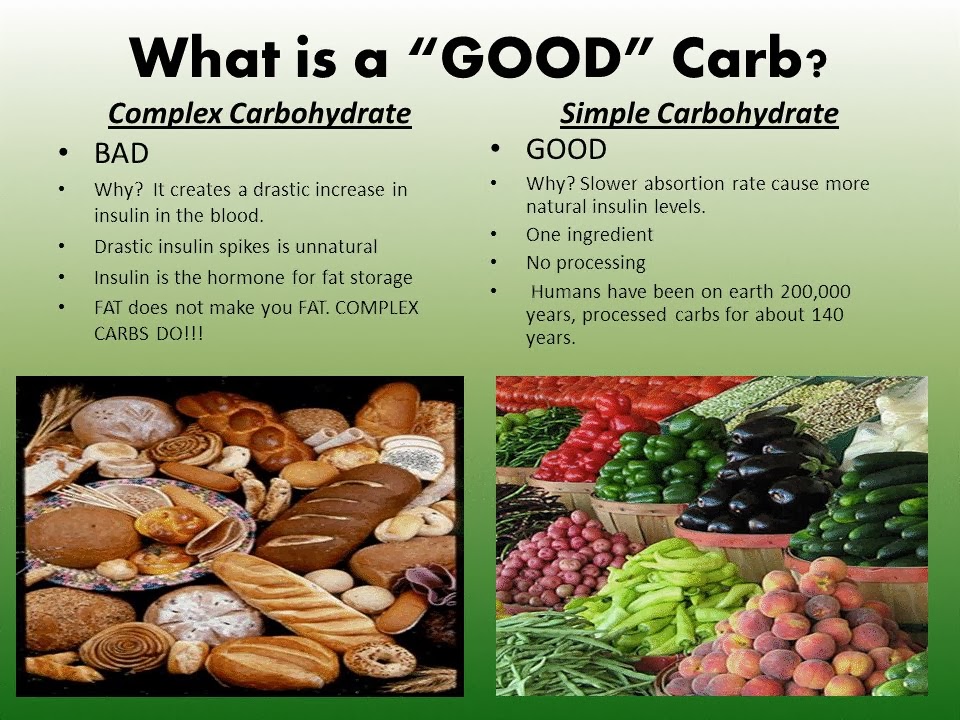 rorriethemedic.blogspot.comcarbs bad good carbohydrates carb foods protein low nutrition complex bulking high food healthy diabetes plan vs glycemic fats effects
The Importance Of Complex Carbohydrates - Top.me
 www.top.mesugar bad carbohydrates fat intake triglycerides avoid high complex why diet limit health simple anti lower importance list very loss
Carbohydrates: Good, Bad, & Why You Might Be Craving Them | Thorne
 www.thorne.comcarbohydrates bad good craving might why them despite depends carb proponents diets popular low would some take daily
Carbohydrates – A Healthy Help
ahealthyhelp.wordpress.comcarbohydrates energized underperforming
All Carbs Are Evil…Not! - Repke Fitness
repkefitness.comcarbs starchy diabetes vegetables fruit glucose carbohydrates myths sources forks busted evil insulin livekindly
Carbohydrates – a healthy help. The importance of complex carbohydrates. Carbs starchy diabetes vegetables fruit glucose carbohydrates myths sources forks busted evil insulin livekindly