how many carbs in a very low carb diet Carbohydrate diets
Are you looking to switch to a healthy low-carb diet? We’ve got you covered! Today, we’ll discuss how to formulate a low-carb diet and the potential benefits it can offer. Plus, we’ll dive into the reasons why low-carb and keto diets actually work. So, let’s get started!
Low-Carb Diet Basics
When it comes to a low-carb diet, the primary focus is on reducing your carbohydrate intake while increasing your consumption of protein and healthy fats. By doing so, your body enters a metabolic state called ketosis, where it burns fat for energy instead of relying on carbohydrates. This can lead to weight loss and various health benefits.
One popular approach is the keto diet, which is extremely low in carbs and very high in fats. The standard recommendation is to limit your daily carb intake to around 20-50 grams. However, it may vary depending on your specific needs and goals. It’s always a good idea to consult with a healthcare professional or a registered dietitian before making any drastic changes to your diet.
Potential Benefits of a Low-Carb Diet
The benefits of a low-carb diet extend beyond just weight loss. Here are a few potential advantages:
- Improved Blood Sugar Control: By reducing carb intake, you can stabilize your blood sugar levels, making it beneficial for those with diabetes or prediabetes.
- Increased HDL Cholesterol: Low-carb diets have been shown to raise the levels of “good” HDL cholesterol in the body, which is associated with a reduced risk of heart disease.
- Reduced Triglycerides: Triglycerides are a type of fat found in the blood. High levels can increase the risk of heart disease, but a low-carb diet can help lower these levels.
- Appetite Control: Consuming fewer carbs and more protein and fat can help keep you feeling full for longer periods, reducing the chances of overeating.
How to Formulate Your Own Low-Carb Diet
Formulating a low-carb diet that suits your preferences and lifestyle is key to long-term success. Here are a few steps to get you started:
- Evaluate Your Current Diet: Assess your current eating habits and identify the high-carb foods you consume regularly.
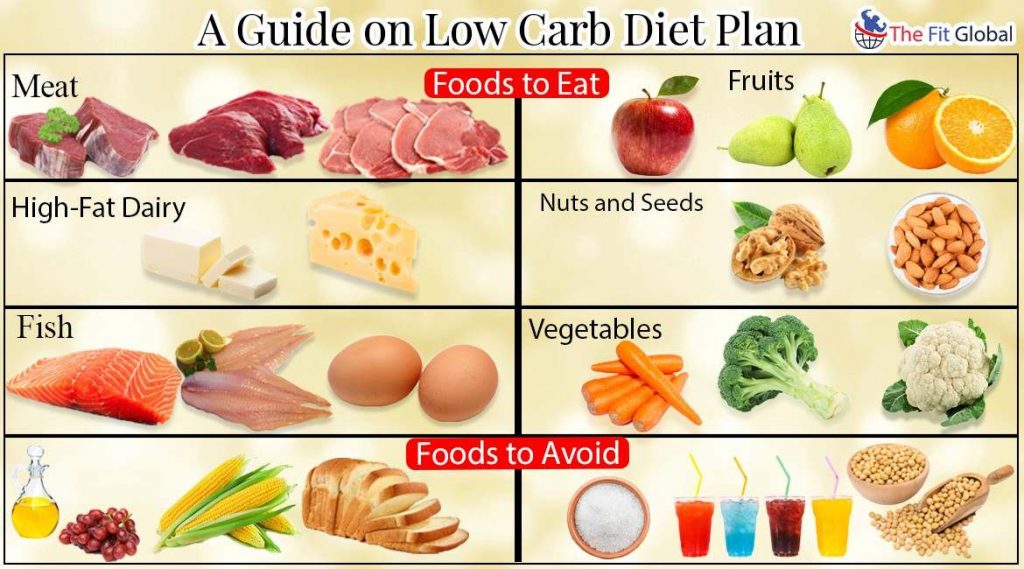
- Choose Your Carbs Wisely: Opt for nutrient-dense, fiber-rich carbs such as vegetables, legumes, and whole grains while minimizing refined sugars and processed foods.
- Increase Healthy Fats and Protein: Incorporate foods like avocados, nuts, seeds, fatty fish, lean meats, and eggs into your meals.
- Plan Your Meals: Preparing ahead is crucial for sticking to a low-carb diet. Plan your meals and snacks to ensure you have suitable options available when hunger strikes.
- Stay Hydrated: Drinking plenty of water is essential for overall health, as it helps with digestion, metabolism, and maintaining energy levels.
The Science Behind Low-Carb Diet Success
Now, you might wonder why low-carb and keto diets actually work. Well, when you significantly reduce your carb intake, your body starts using fat as its primary fuel source. This shift triggers the production of ketones, which are molecules produced in the liver from fat breakdown.
The presence of ketones in your system signals that your body is in a state of ketosis. In this state, your body becomes highly efficient at burning fat for energy, leading to weight loss. Moreover, ketones also have a positive impact on brain function and can provide a stable source of energy for the brain.
Conclusion
A healthy low-carb diet can bring about numerous benefits, including weight loss, improved blood sugar control, and reduced heart disease risk factors. By formulating your own low-carb diet and making smart choices, you can embark on a journey towards better health and well-being.
 Follow a low-carb diet to enjoy the benefits!
 Learn more about why low-carb and keto diets work!
Remember, before making any significant changes to your diet, it’s always a good idea to consult with a healthcare professional or registered dietitian to ensure it is suitable for your unique needs.
If you are searching about How To Formulate a Healthy Low Carb Diet (and Potential Benefits) | No you’ve visit to the right web. We have 5 Images about How To Formulate a Healthy Low Carb Diet (and Potential Benefits) | No like The 8 Most Popular Ways to Do a Low-Carb Diet – h1pl.com, The Truth About Very Low-Carb Diets - Project Bold Life and also How To Formulate a Healthy Low Carb Diet (and Potential Benefits) | No. Here it is:
How To Formulate A Healthy Low Carb Diet (and Potential Benefits) | No
www.pinterest.comcarb diet low nutrition health carbohydrate benefits atkins plan advantages carbs healthy eat chart printable guide foods loss need ditch
Low-Carb Dieting 101- Why Low-Carb & Keto Diets Work - Dr Becky Fitness
drbeckyfitness.comcarb carbs dieting
Low Carb Diet: Plans, Foods & Benefits - The Berkeley Well-Being Institute
 www.berkeleywellbeing.comThe 8 Most Popular Ways To Do A Low-Carb Diet – H1pl.com
 h1pl.comcarbohydrate diets
The Truth About Very Low-Carb Diets - Project Bold Life
 www.boldbusiness.comlow carb diets very diet carbs truth eat health twitter infographics
Low carb diet: plans, foods & benefits. How to formulate a healthy low carb diet (and potential benefits). Carb diet low nutrition health carbohydrate benefits atkins plan advantages carbs healthy eat chart printable guide foods loss need ditch